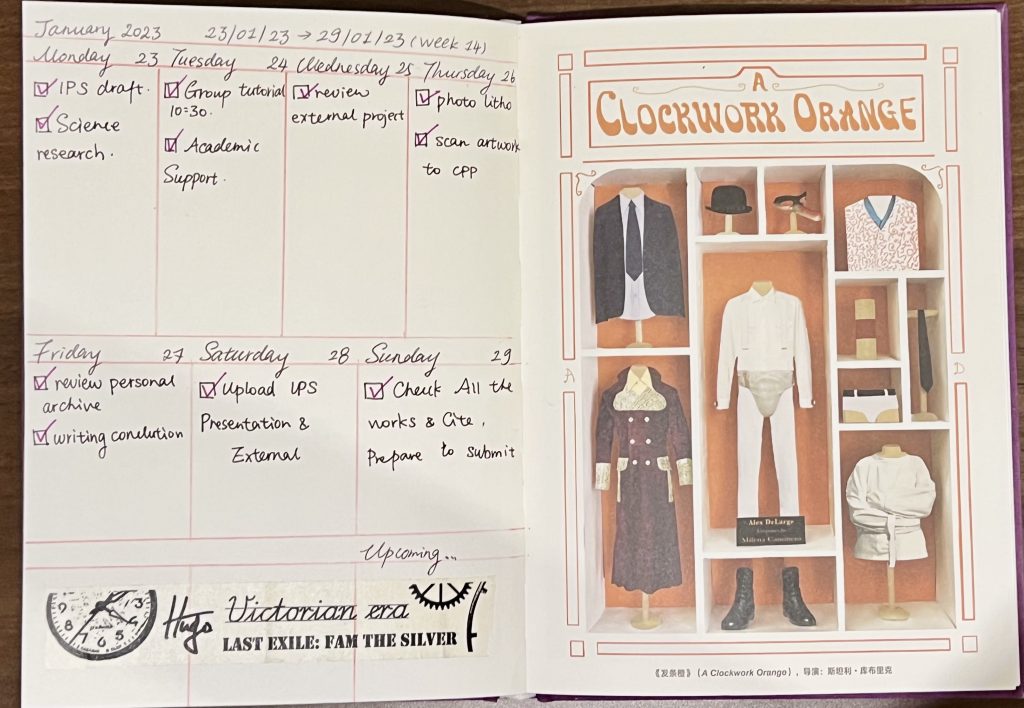
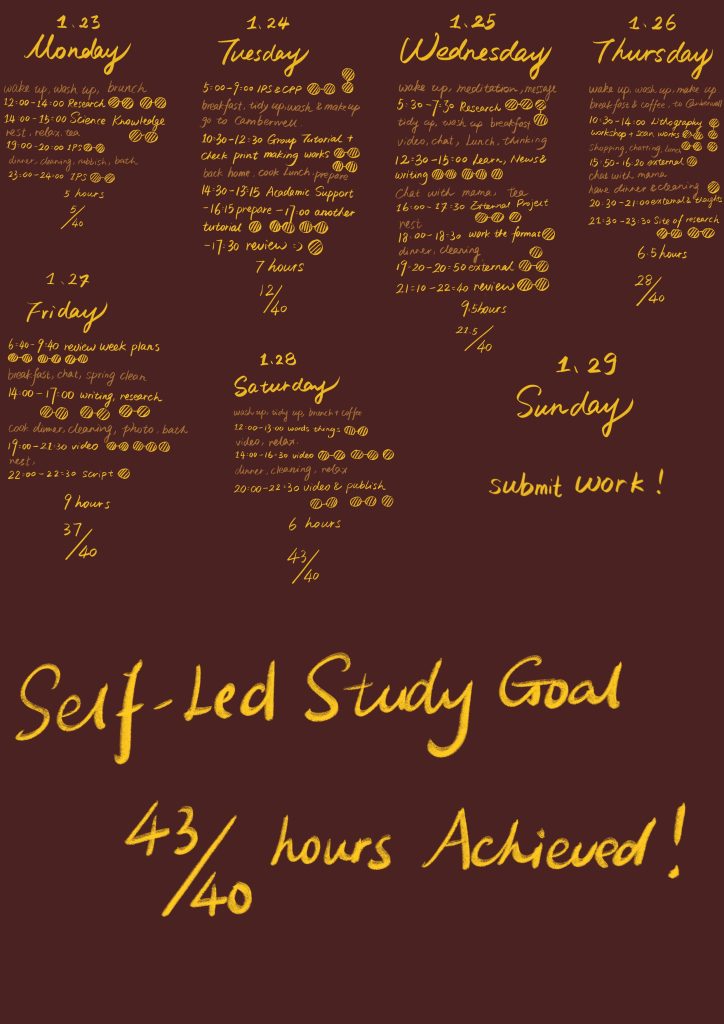
Weekly record highlights:
- 99 BUTTERFLIES
- IPS Presentation
- Photo lithograph–last layer
- Artist: Bernard Faucon
- Mu Xin’s Documentary
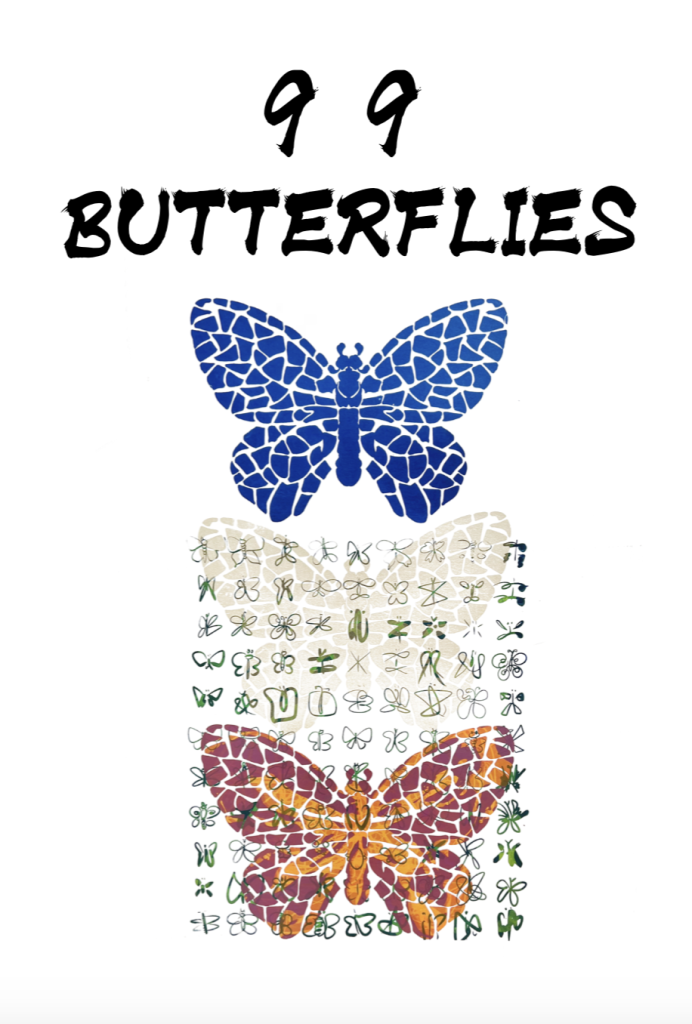
99 BUTTERFLIES
Review & Reflection
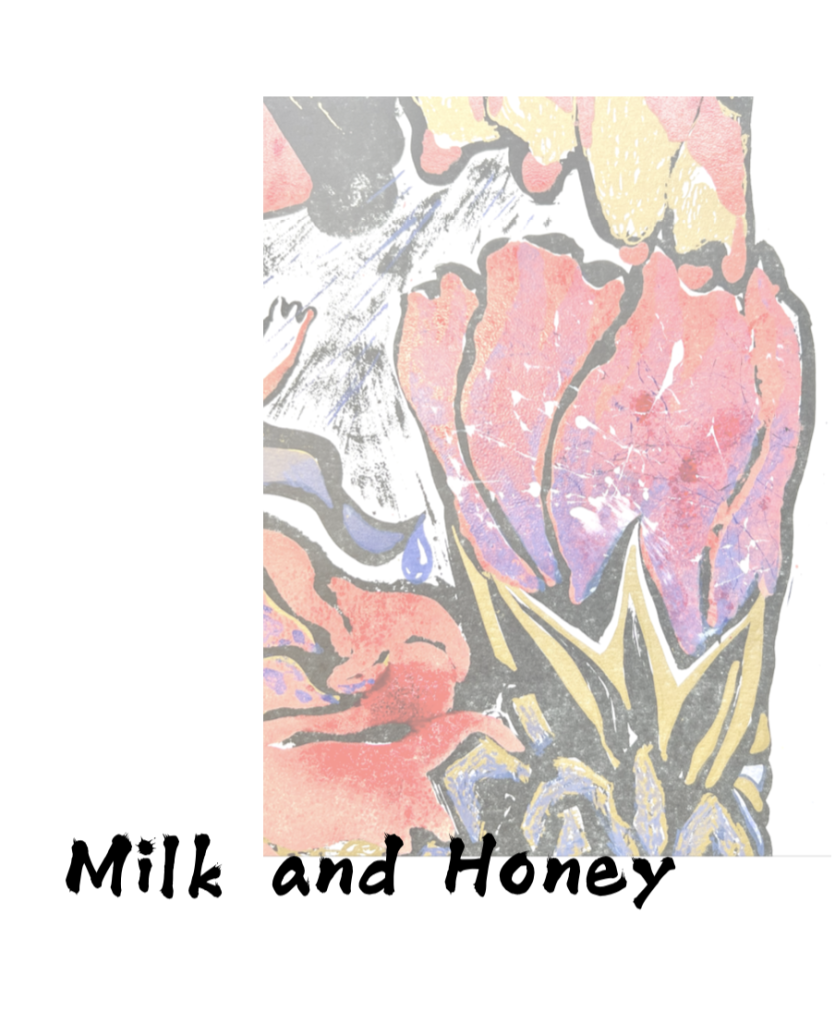
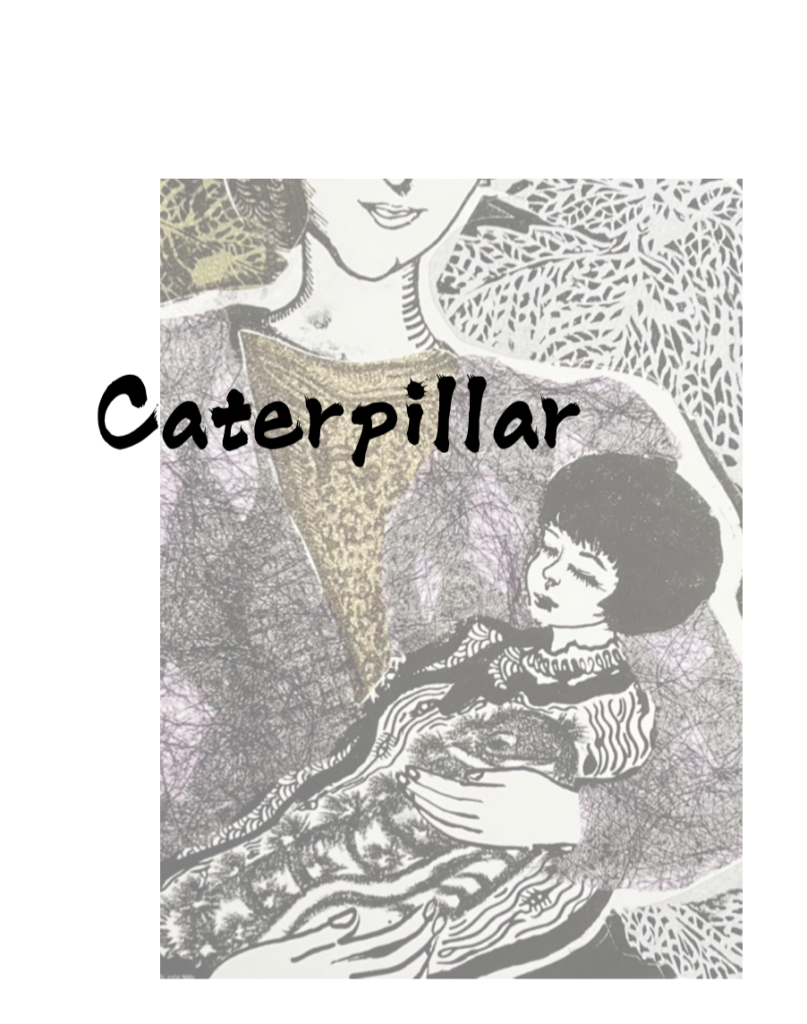
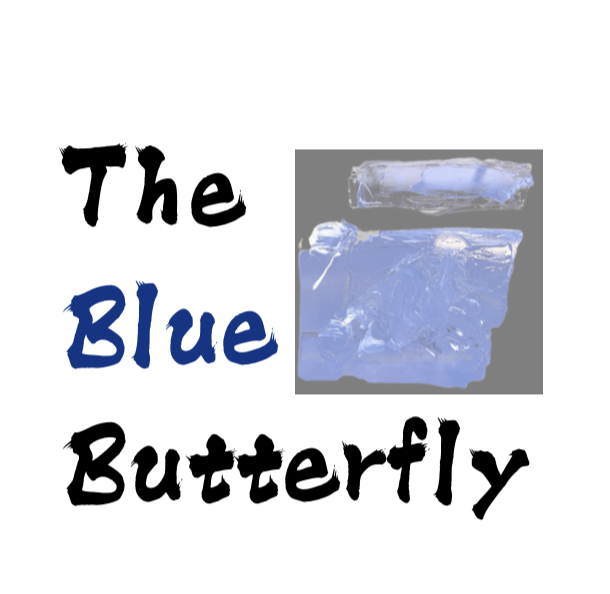
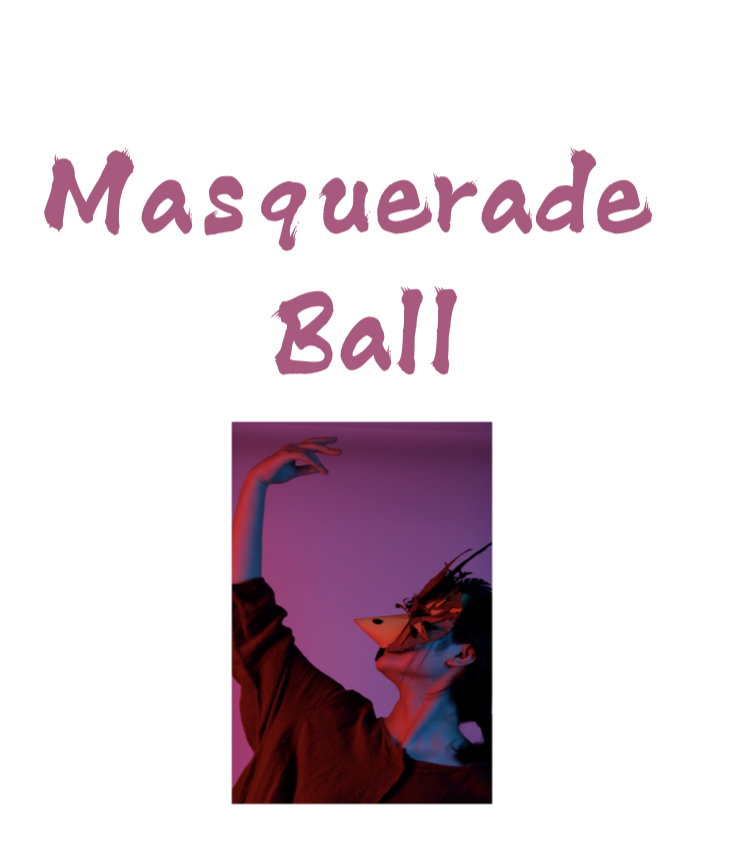
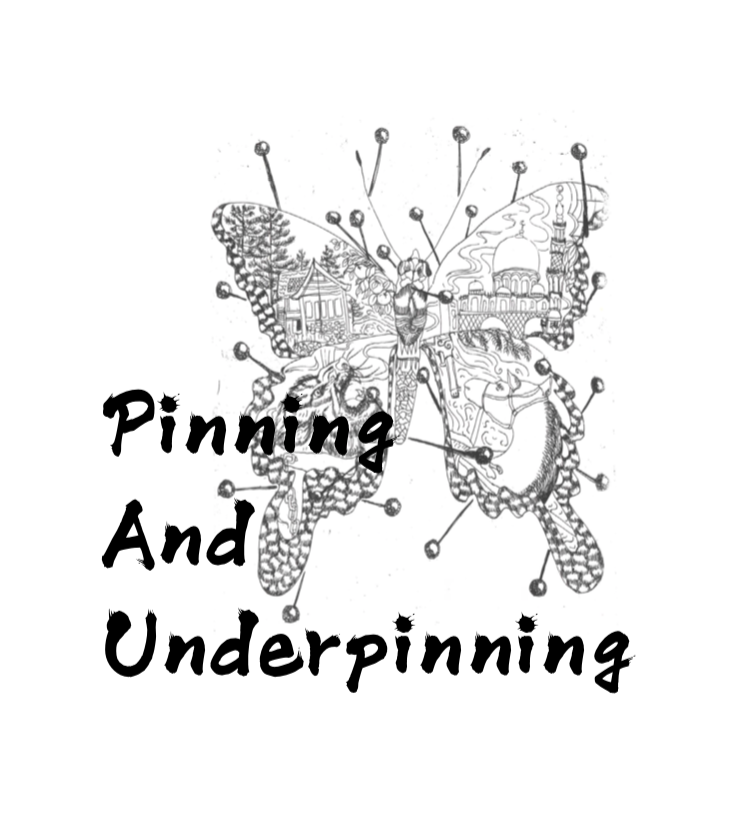
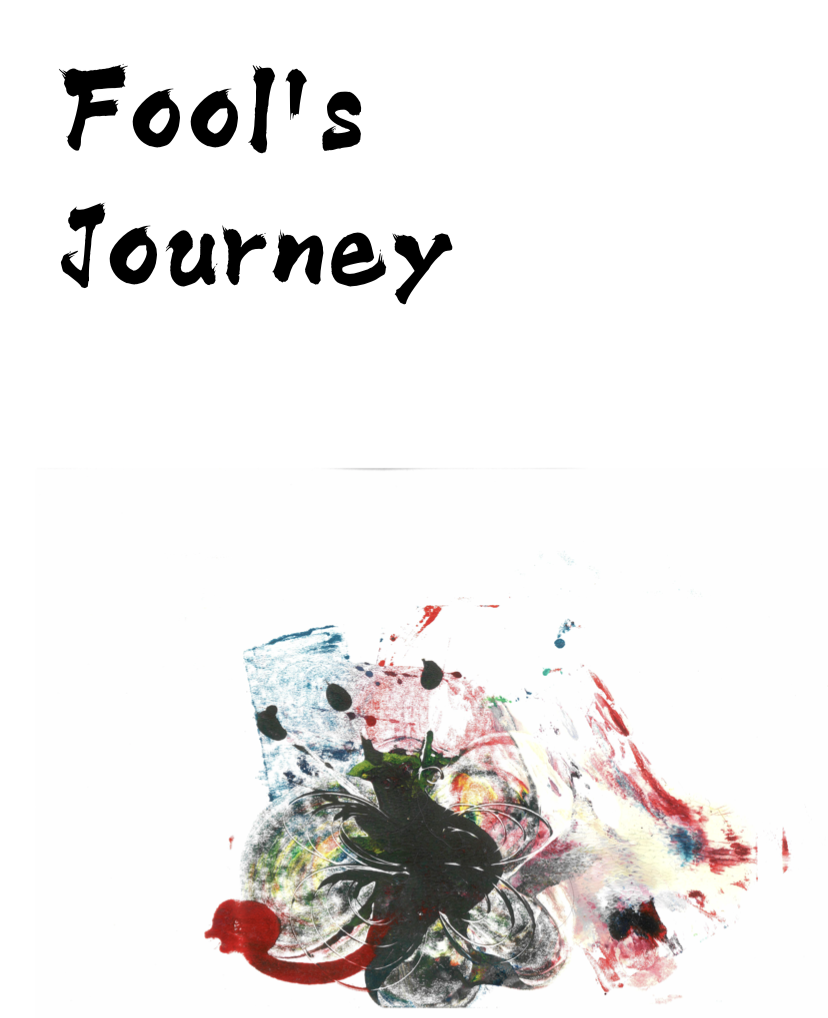
During the week I finished editing the 99 butterflies. That is, 99 propositions from blue butterflies, because I found that they were not all blue and moved on to investigate how they became among the autopoietic theories.
The cover image is a screen print of my creation, in which the butterflies, which are like words, come from a state of mind flow, inspired by the Heart Sutra. They move from shaped butterflies, to lines and blocks, and finally to images of words that are not interpreted, representing my responses in different states, and as recorded in this booklet, there are exactly 99 of them.
The arrangement of them was not easy, whether in terms of the de-temporalisation of the content, the refinement of the text, or the weighting of autobiography and theory, which I was still trimming and adjusting at the last minute.
The process of sorting them out was also a test of myself, an unrelenting self-revelation that also achieved the healing effects of the art therapy autobiographical method. Whether it was the streamlining of the content to 8,000 words or the timing of the learning input and creative output, I achieved it all, which makes me feel more confident about my future written expression and self-analysis.
In the nine chapters, I have divided the different ages into different stages of the butterfly, while the definition and exploration of the blue butterfly does not evolve over time, as I simultaneously search for it, describe it, interpret it and recognise it in different times and spaces.
It is a mixture of order and disorder, an interpretation and interweaving of the different latitudes of my thoughts, just as a real-life event occurs, which is linked to a very large number of thought activities, sensual and rational, conscious and subconscious, or even an epiphany much later, which in turn ties them together.
It is a sifting through the sum of what constitutes me and what constitutes what I once was, each a separate proposition from the other, implicating a direction of thought, but at the same time connected to each other. It is like the ripples that continue to rise on the surface of a lake, when they meet they collide into new independent forms, I capture this water ripple as if I were observing wave-particle duality and put it in my experimental record, I may have long since lost sight of what happened in the first place, but I know that water has all the memories.
IPS presentation
IPS content before refinement:
In Unit9, I use autotheory as a solution to the research question, documenting my growth and reflections from birth to university. I chose the autobiographical and pictorial form of art therapy to narrate the moments of growth experienced at different times and the perceptions that sustained me through these moments.
The original idea of this unit was to document the growth and healing of adolescence. I used the image of the blue butterfly to connect them. As my research developed, I realised that in many cases the growth and healing did not happen in the moment, but at a moment of enlightenment when I gained knowledge or insight in the future. So I stretched the timeline of my personal growth record, not rushing to describe and define the image of the ‘blue butterfly’, but using different propositions to think about how it came to be.
I experiment with different media to tell stories in different states, for example I use ice sculpture to sculpt butterfly fairies, lithography to print stories of childhood, etching to record the growth of metamorphosis, screen printing to convey the peaceful flow of the mind, and so on. Different fields such as philosophy, literature and science are also combined to refine the propositions of autotheory. In terms of communication and practice, curating art exhibitions in virtual galleries has deepened my understanding of artistic healing and the state of mind of different artists.
Building on Unit9, I was able to better extract and filter the parts that make up the blue butterfly and refine its definition in Unit10. In Unit 9 I discovered that studying myself allows me to understand others better, so I intend to continue the study of autotheory and then turn the text and theory into visual videos, prints and textiles to build the world of the blue butterfly perspective, that is, to use what JULIA GALEF calls “scout thinking” to draw a “cognitive map” as objectively and comprehensively as possible. “I hope that my work can be displayed on online platforms, in galleries or in psychological healing spaces on campus, so that my audience can be healed in understanding these perceptions.
I plan to do some theoretical screening and complete the pre-production of the Blue Butterfly content in week15-18, create and experiment with the physical workshop in week19-21, research and refine the content offline during spring break, continue with the work that needs to be done in the workshop in week22-24, and edit and wrap up in the remaining time. Of course, the amount of time spent in the workshop will be adjusted to suit the needs of the content set, and some of the content may be completed during the holidays.
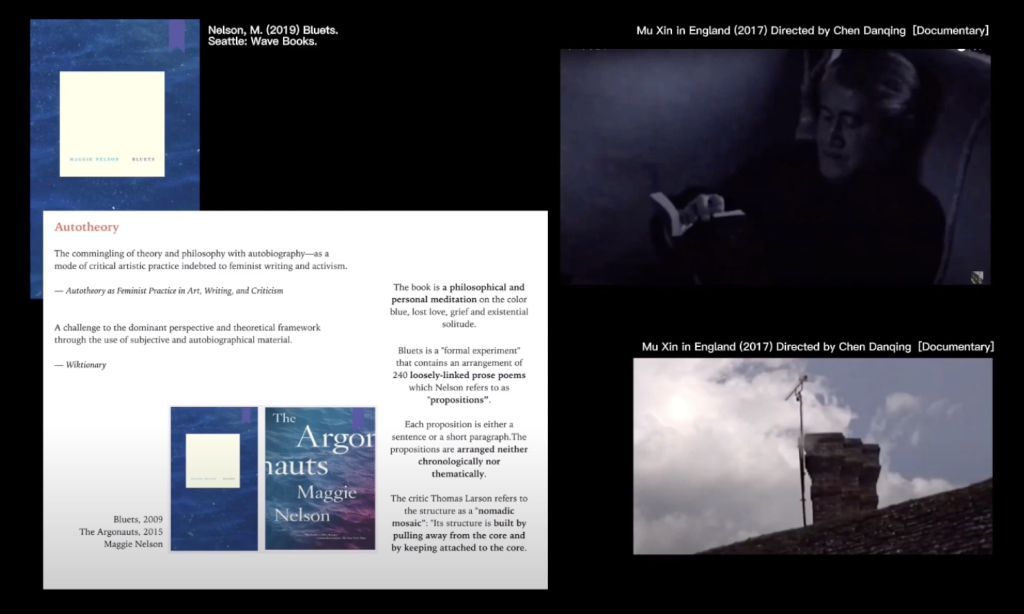
After the discussion during the group tutorial, I had a clearer plan of what I wanted to do next. This included the artistic expressions and ideas of artists such as Pina Bausch, Lin Huiyin, Abramovic, Bernard Faucon and Mu Xin; the literary and artistic combination of Poetic biopic film The Colour of Pomegranates and Endless Poetry The Color of Pomegranates and Endless Poetry. The programme also includes a more detailed schedule, including arrangements for viewing the exhibition during the holidays.
Finally I found a clear direction for the project. This included the form of the work, specific artists and places to publish and exhibit it, and uploaded the first video on YouTube.
Photo lithograph–last layer
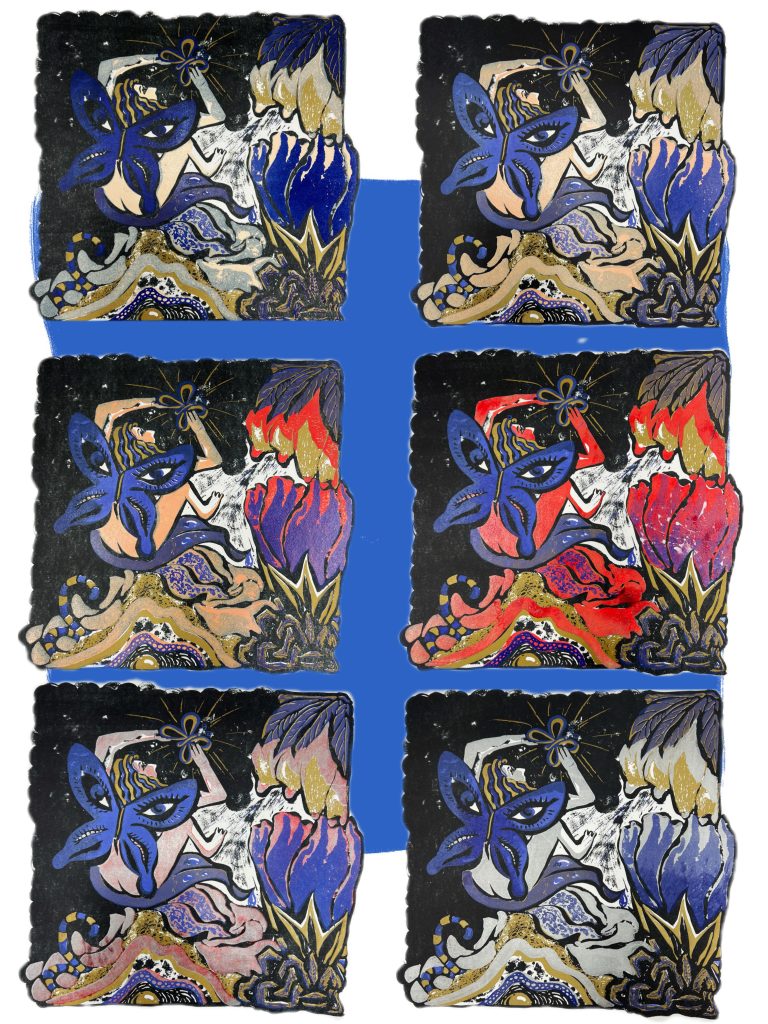
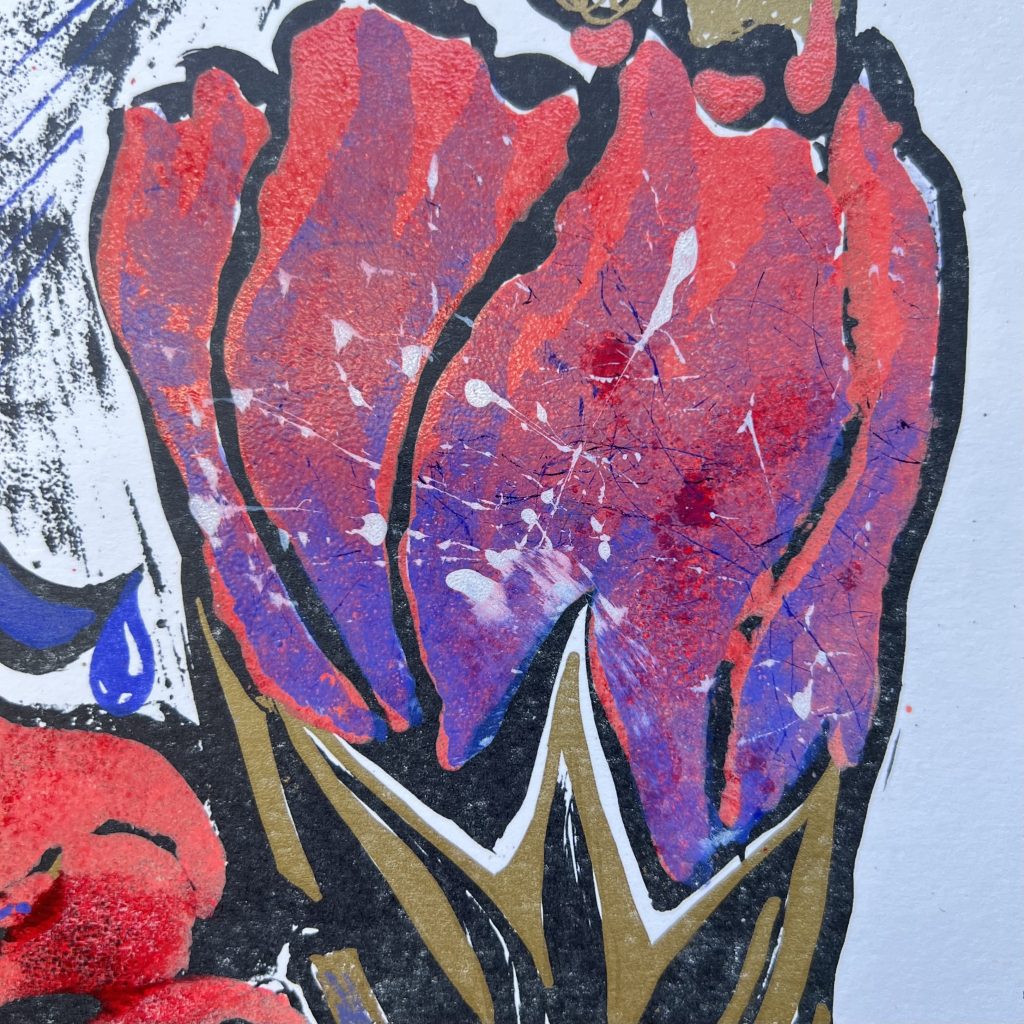
This week, I finally finished the lithography piece that I have been printing since last term. And got the etching work back, which is a great achievement for me.
The original plan was to finish it last week and put it in the booklet, but as I did some experimenting with ink mixing when printing the skin tones, this resulted in the ink on the paper being too heavy and not completely dry for 3 days in a row checking. This made me anxious about the progress of the artwork for a while, but when I went to check this week the ink was completely dry and I spent half a day printing 6 different effects of the image. I was very happy with the compliments I received from Paul and Jim and I hope to continue to do some more print making at Unit10.
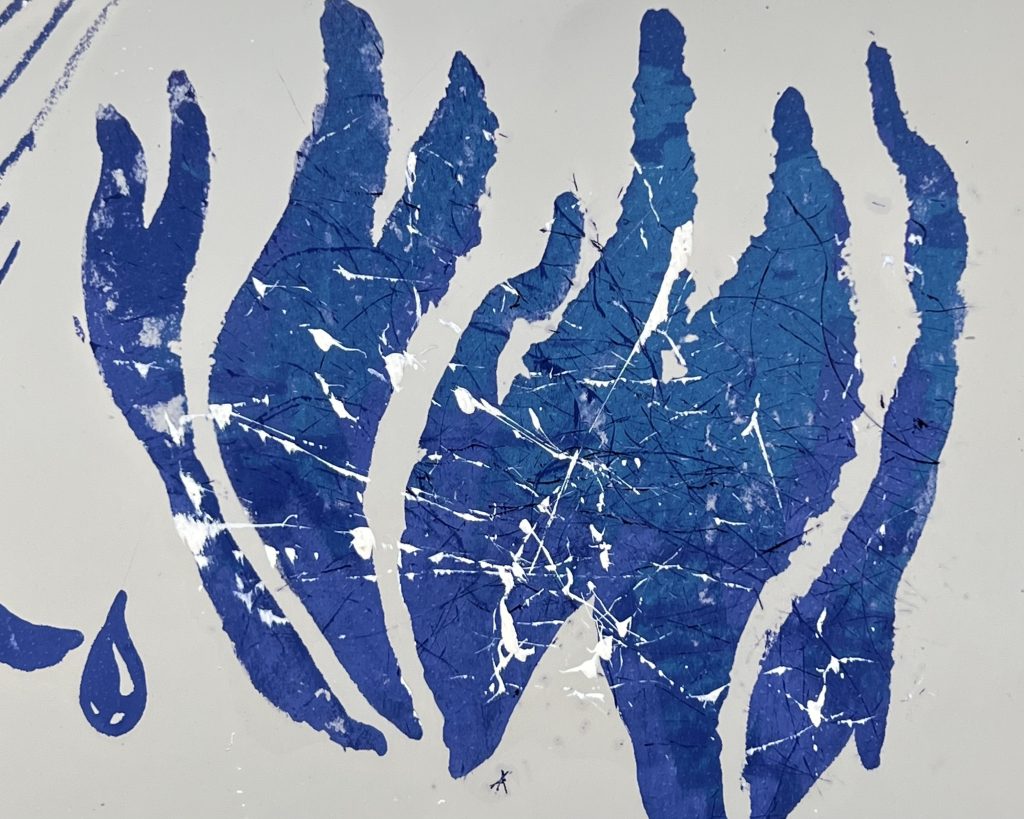
The piece is full of some elements of feminism, while in experimenting with different effects, I used the medium of hair, dipped in dark blue, light blue and white ink. When they were printed on the red tulips, which look painful and scarred, a wonderful mixture was created, giving birth to purple and reminding me of Pollock’s painting Enchanted forest. (right )
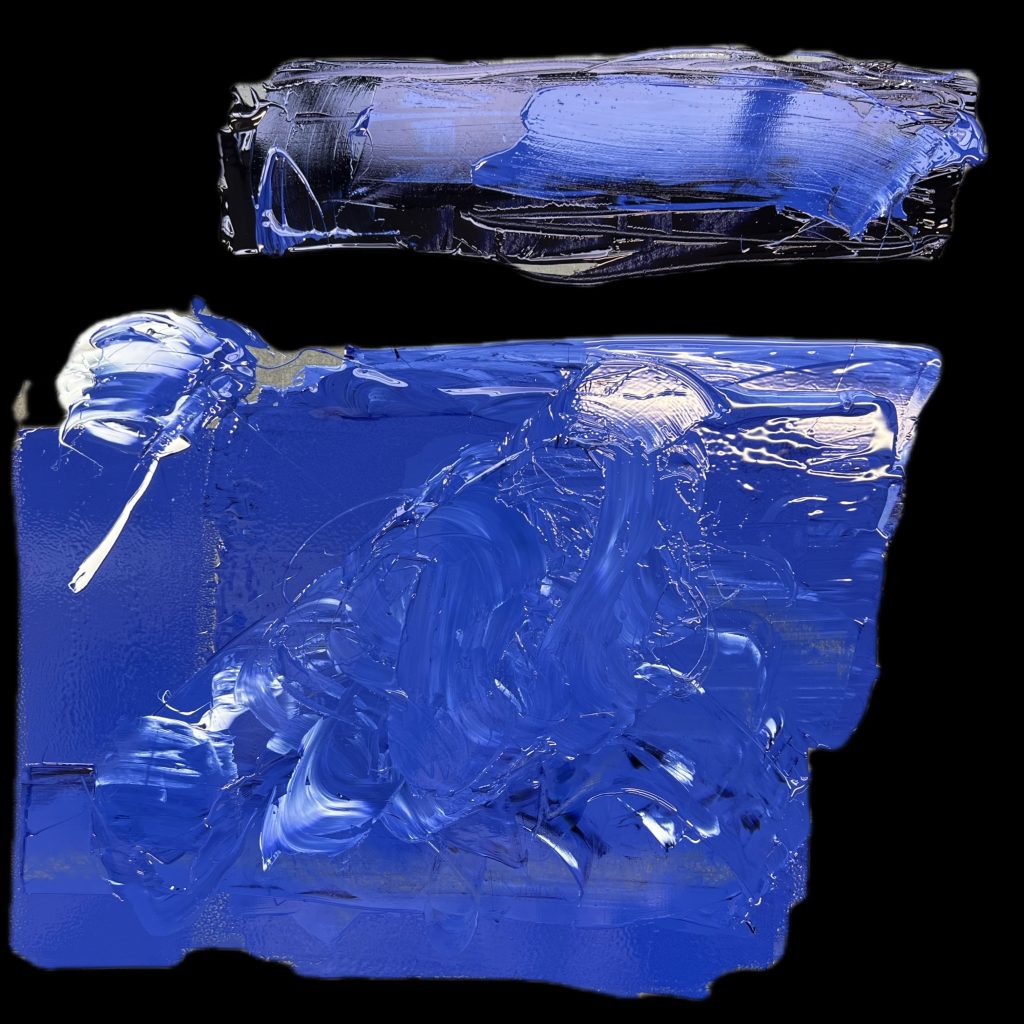
After the printing was finished I made a secondary creation of the ink on the board haha…
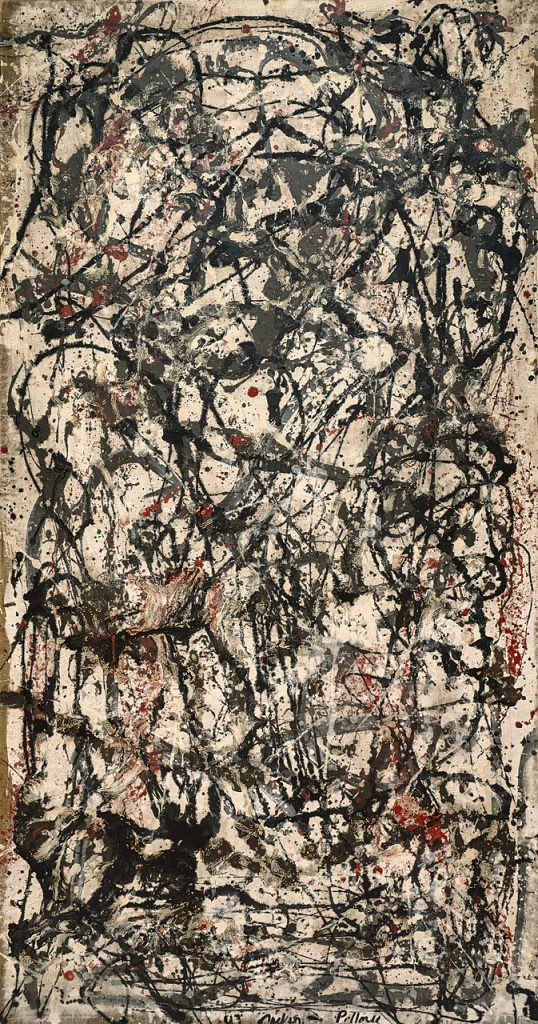
Jackson Pollock, Enchanted Forest, 1947, Oil on canvas, 87 1/8 x 45 1/8 inches (221.3 x 114.6 cm)
Artist: Bernard Faucon
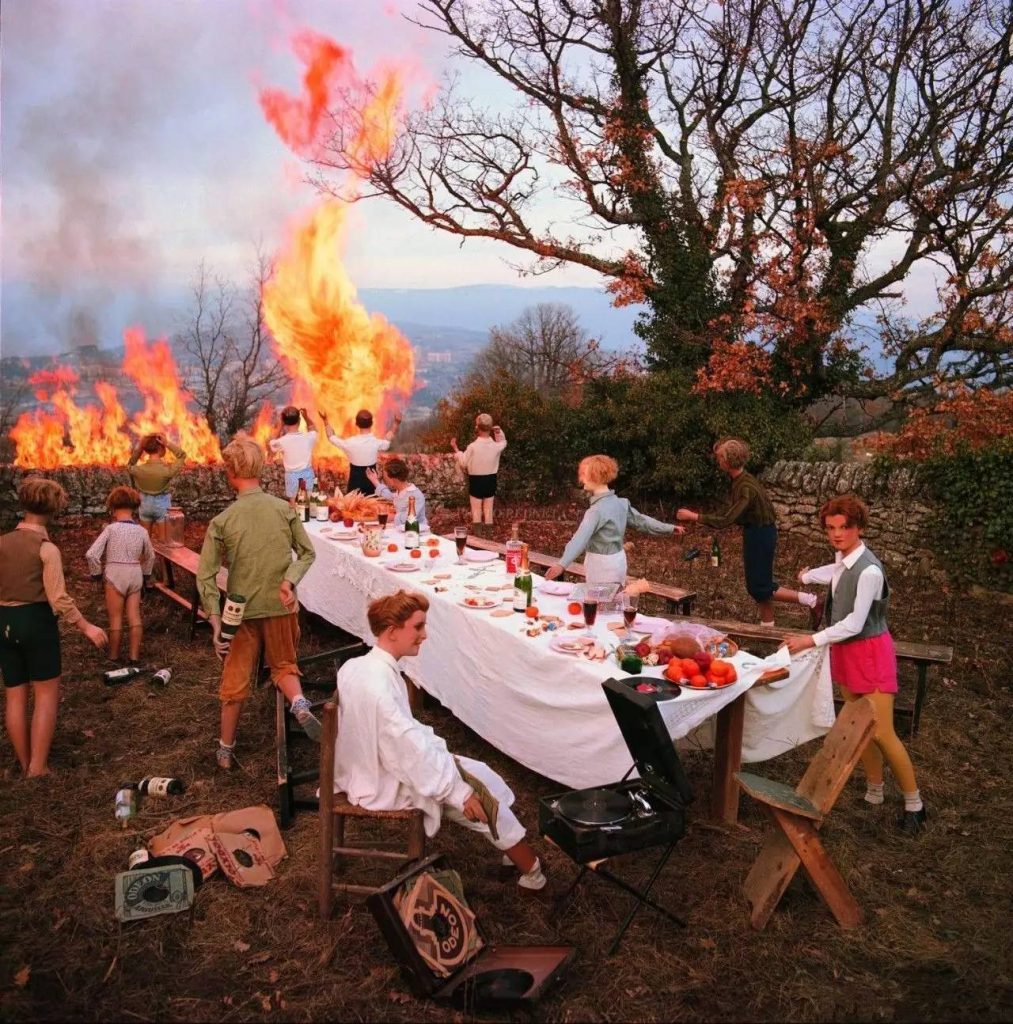
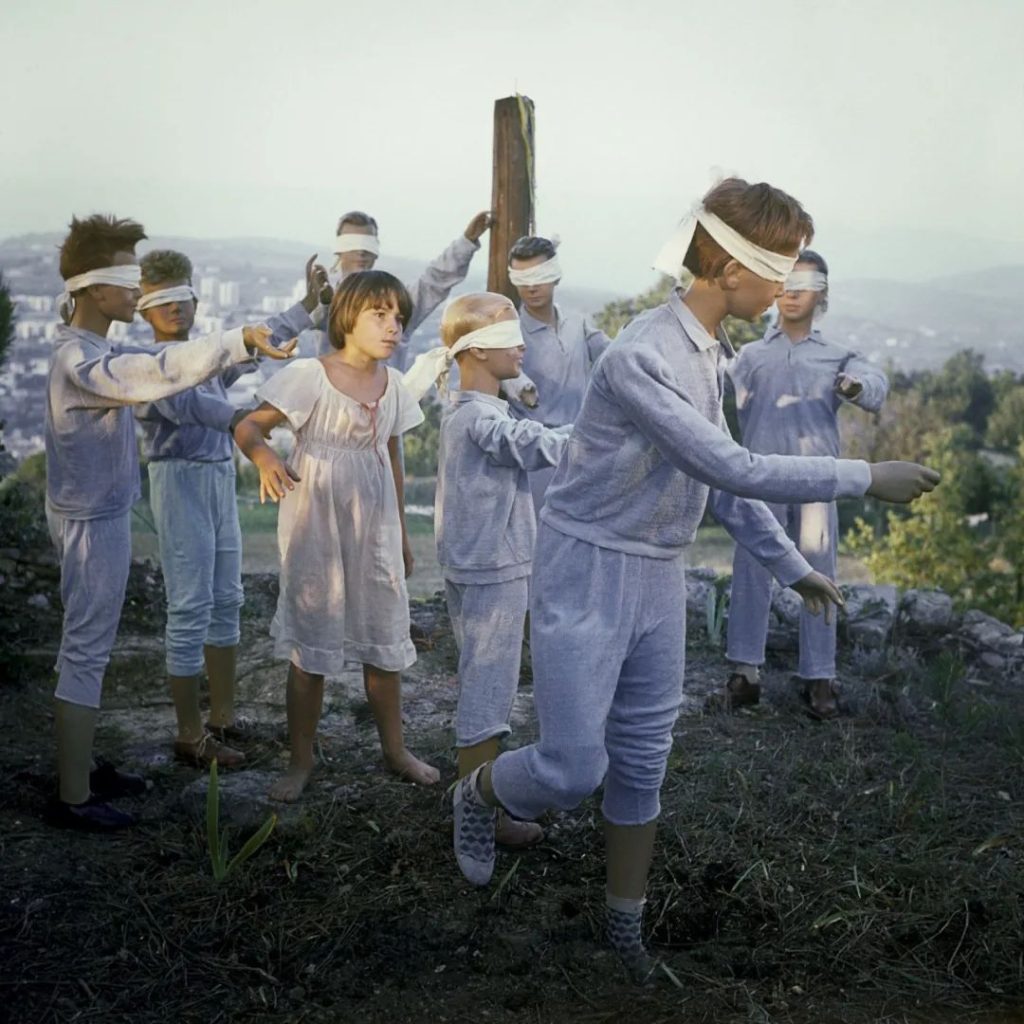
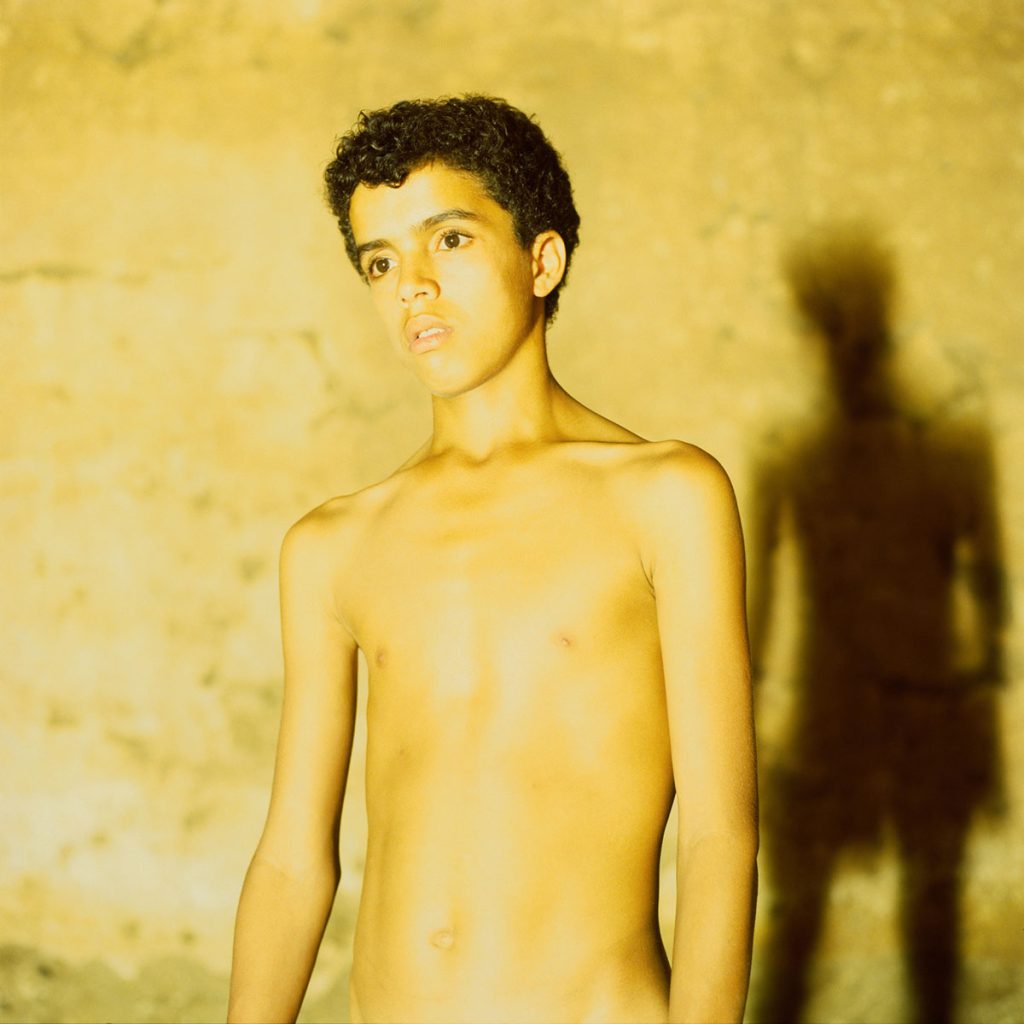
I started following this French conceptual photographer in early 2021. At the time I sat alone for a few hours in an art gallery and watched his documentaries from start to finish, whether it was his happy childhood, or his written series of words, I could find resonance.
He is seen as the archetype of contemporary photography moving from taking to making, pioneering postmodern photography. I have included it in my IPS and continue to research his ideas and creative philosophy.
IDOLS AND SACRIFICE (left)
Artist Website: https://www.bernardfaucon.fr/?lang=en
Mu Xin’s Documentary
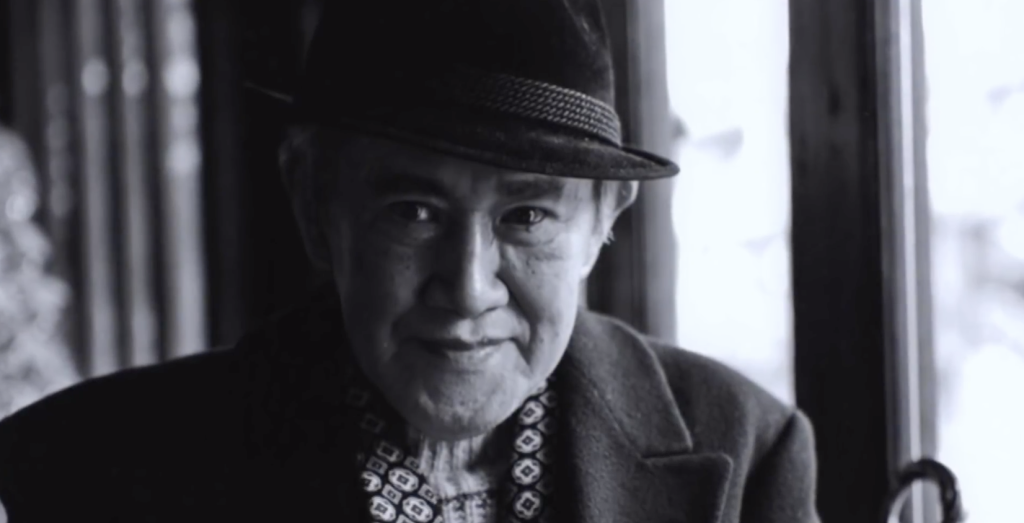
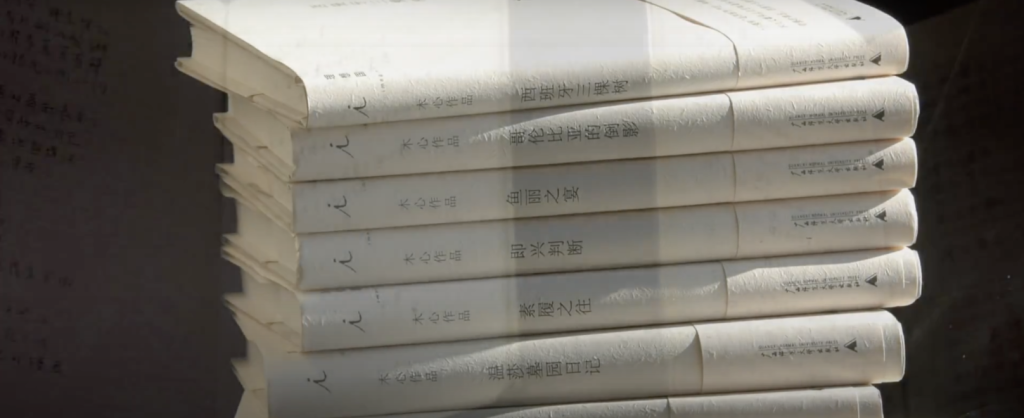
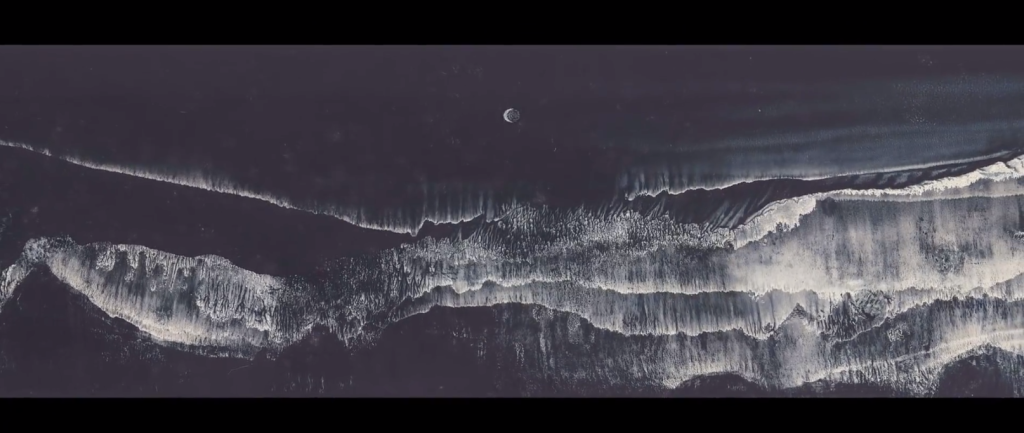
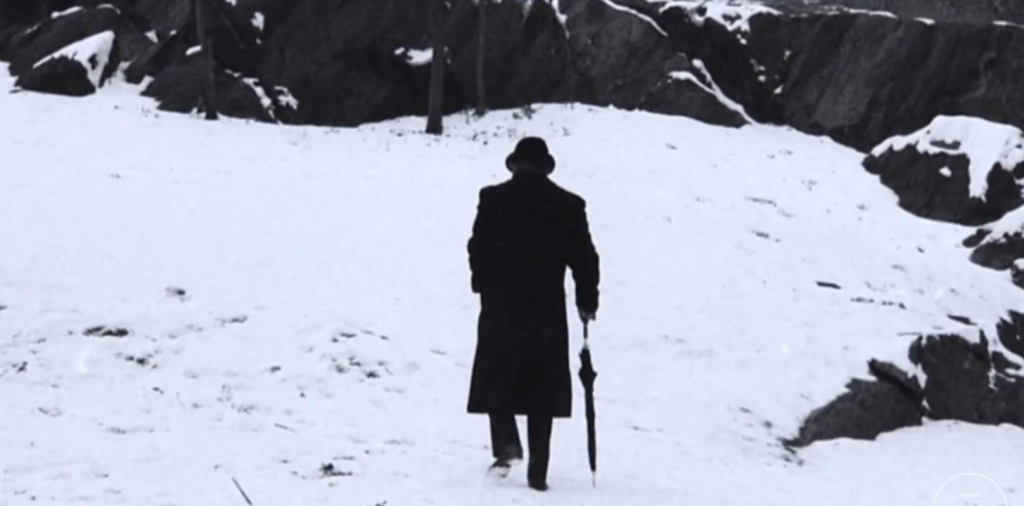
I have spent this week revisiting Mr. Mu Xin’s documentaries, from my first visit to his home at the age of 17 or 18, to the company of his literary memoirs during my studies in England. His character and works are a constant reminder to me to remain humble and keep my passion for art and literature alive.I put his images and literary material into my IPS as a role model for me, and as a reminder to myself not to forget my beginnings and to pursue those states and attitudes that I truly love and aspire to.
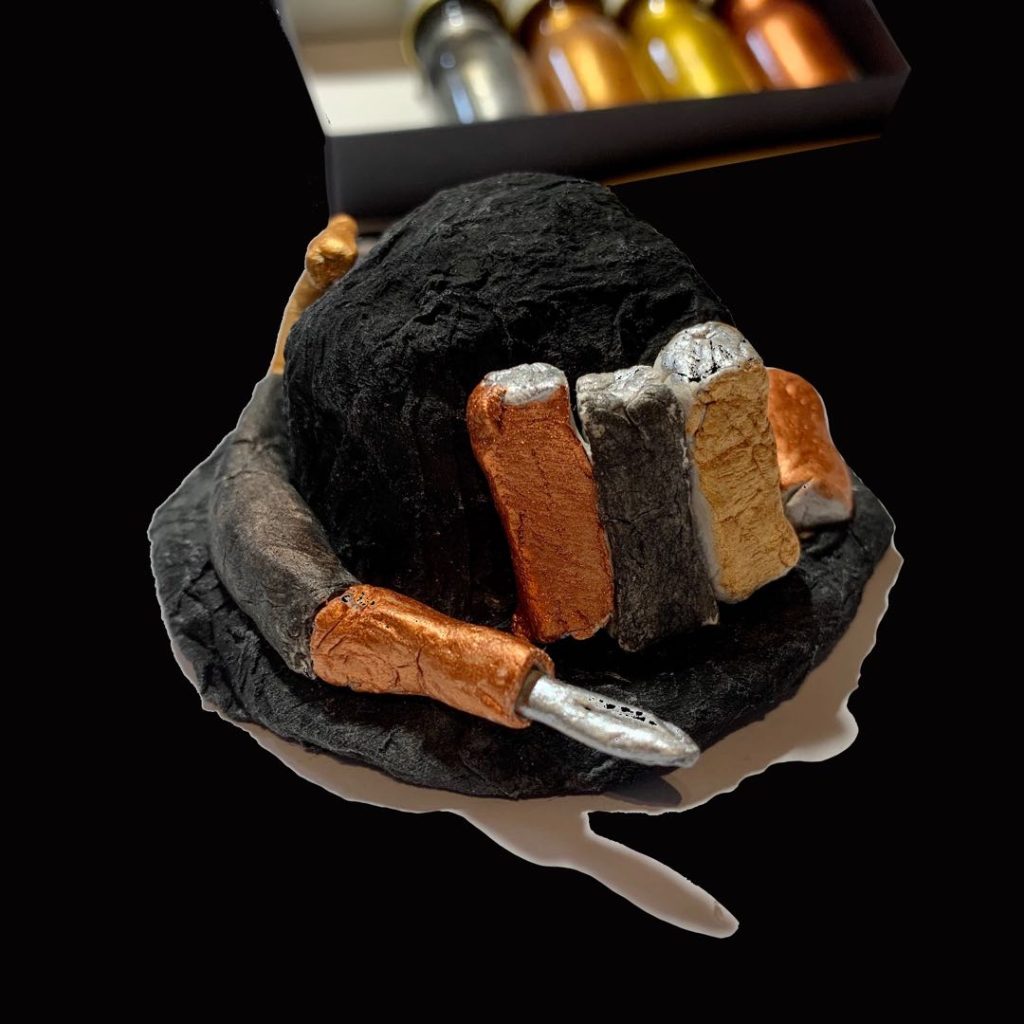
I have made related creations using him as a starting point: the collage pictured contains Mr. Mu Xin’s manuscripts and drawings, each sentence paving a long path to remain alone and to keep wandering. It seems that all that ever accompanied Mr. Mu Xin was a hat, a pair of leather shoes, a pipe and a walking stick. In modern terms perhaps: Minimalism, Zen, Wabi-Sabi.
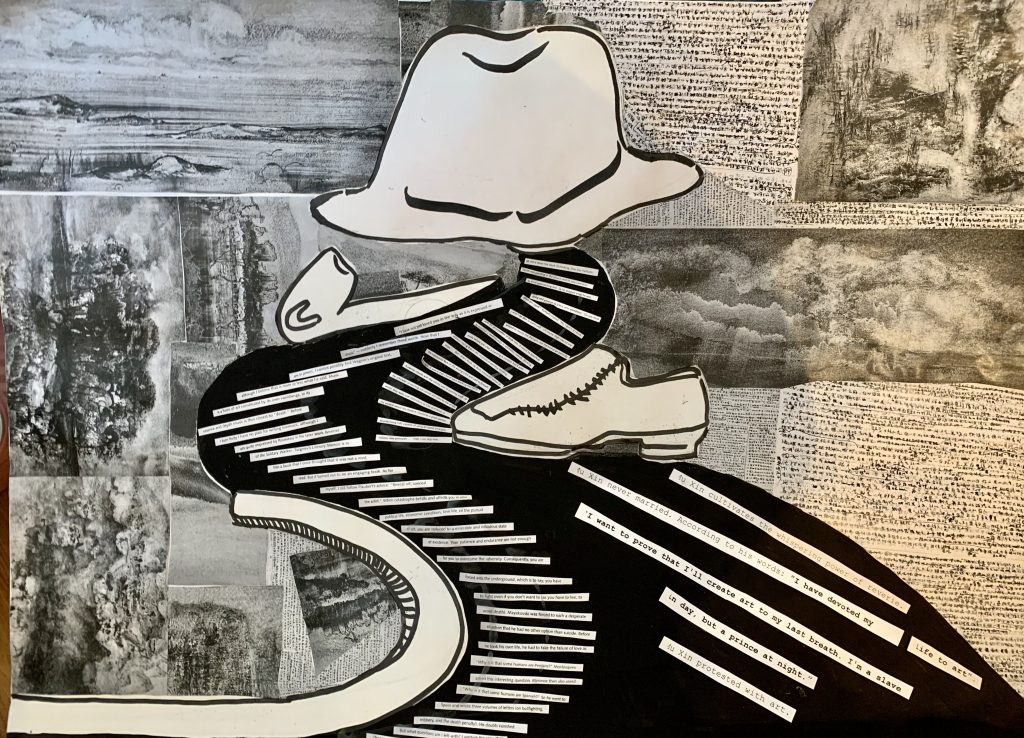
Collage poster and paper sculpture created for Mr. Mu Xin